
Disclaimer: I’m an artist, not a copyright attorney; everything here is shared for general educational purposes only.
Morning class, I get lots of emails from students who want to pick up a paintbrush but find the first stumbling block is what to paint! It’s easy to find yourself at a loss when looking for a good reference image for the simple reason of copyright.
Most published photos in books, magazines, and online are copyrighted. That means you typically need permission from the photographer or rights holder to use them as a reference for your paintings, especially if you intend to sell or publicly display the artwork.
However, if you’re simply using them for practice at home and not sharing the work commercially, or if they are being used for educational purposes, it’s usually okay. You can also look for images that are under Creative Commons. This is where an image can be used, and if displayed or sold, the original creator must be credited.
The best free reference images for artists are your own.
You can tweak, light, and design them to be unique. But when you’re starting out and want to practice different subjects, high-quality, royalty-free images can be super helpful.
When it comes to finding the perfect reference image for your artwork, not all sources are created equal. Knowing where to look and understanding the rules around usage can save you from the gut-wrenching moment of realising your beautifully finished piece is based on an image you didn’t have the right to use.
So I’ve put this article together to give you confidence in finding great resources, knowing your work is legally protected and ethically sourced.
There are three main categories of reference images that artists commonly use:
Museum and Library Archives
Museums and libraries hold vast collections of historical artworks, drawings, etchings, artefacts, and patterns. Many of these works are old enough to be in the public domain, meaning you can use them, even commercially, without restriction. This makes them super helpful for finding inspiration and creating master copies of artworks.
Free Photography Sites (Unsplash, Pexels, etc.)
These platforms offer high-quality images taken by living photographers. You’re free to reference these photos for your artwork and sell your painting or drawing based on them. However, you can’t just sell the original photo as is. Some of these sites have usage requirements like Creative Commons licensing or simple attribution to the photographer, so it’s important to double-check the terms before using them.
Artist-Curated Collections
These are specially curated for painters and illustrators. Unlike typical photography, these images often focus on strong light, simple shapes, and clear values making them perfect for translating into paint. Some of these collections come with zero copyright restrictions, while others may require simple attribution. They are designed with artists in mind, making it easier to spot key elements like shadows, contrasts, and composition that work well in a painting.
What Are Royalty-Free Reference Images?
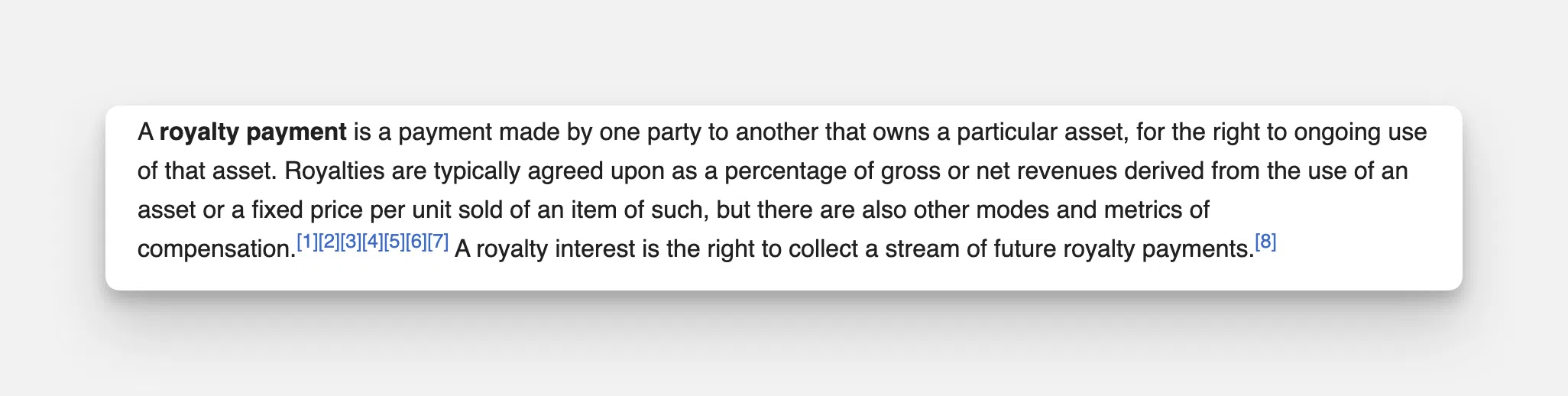
A royalty is a recurring payment made for the use of someone else’s asset, like a song, book, or artwork.
For example, if a radio station plays your song, you receive a royalty each time it’s played. If a publisher sells your book, you earn a percentage of each sale.
“A royalty payment is a payment made by one party to another that owns a particular asset, for the right to ongoing use of that asset.” https://en.wikipedia.org/wiki/Royalty_payment – Wikepidia
‘Royalty-free’ works differently. It isn’t always free, you pay once to use the image or asset, with no additional fees each time you use it.
For free reference images, we don’t necessarily want a ‘royalty-free image, we want a ‘free-free’ image!
But what about copyright? What does it mean for artists?
When you create an original artwork, you automatically own the copyright.
This gives you the legal right to protect your artwork from being copied, reproduced, or used without your permission.
Many countries adopted this after the Berne Convention for the Protection of Literary and Artistic Works in 1886 to make copyright rules more consistent worldwide.
- You can control who can copy your art.
- You can license the right for your works to be used.
- You can define the areas where that work can be used.
For example, if someone purchased a license for your artwork, they cannot use the image in any way they wish. They’ve bought a license to use your artwork in a specific way, not the artwork itself.
(Even if you purchased an artwork from an artist, it does not grant you the right to make and sell prints. The artist retains copyright to their work, which includes the right to reproduce it and license others to do so. )
What happens to the copyright when an artist dies?
The artist still retains copyright of their works for many years after their death.
The artist’s works remain protected under copyright for many years after their death. Eventually, these works enter the Public Domain. The works that can be used freely, without a license, royalties, or permission from the original creator.
Why Are Some Reference Images in the Public Domain?
An image becomes public domain when its copyright expires.
This usually happens a set number of years after the creator’s death, but the length of time varies by country.
A piece of work that may still be in copyright for a duration of Life + 70 years in the UK might be out of copyright in another country for a duration of Life + 50 years.
You can see a list of the durations on Wikipedia here: List of Copyright Duration By Country
In the EU and the US, a 70-year duration is standard.
Artworks can also be placed into the public domain at the request of the original creator.
So, for visual arts, let’s first look at some museums.
Museums with Public Domain Collections
Several major museums have released high-resolution images of their collections into the public domain for unrestricted use.
1. The Metropolitan Museum of Art – Over 490,000 reference images available for unrestricted use
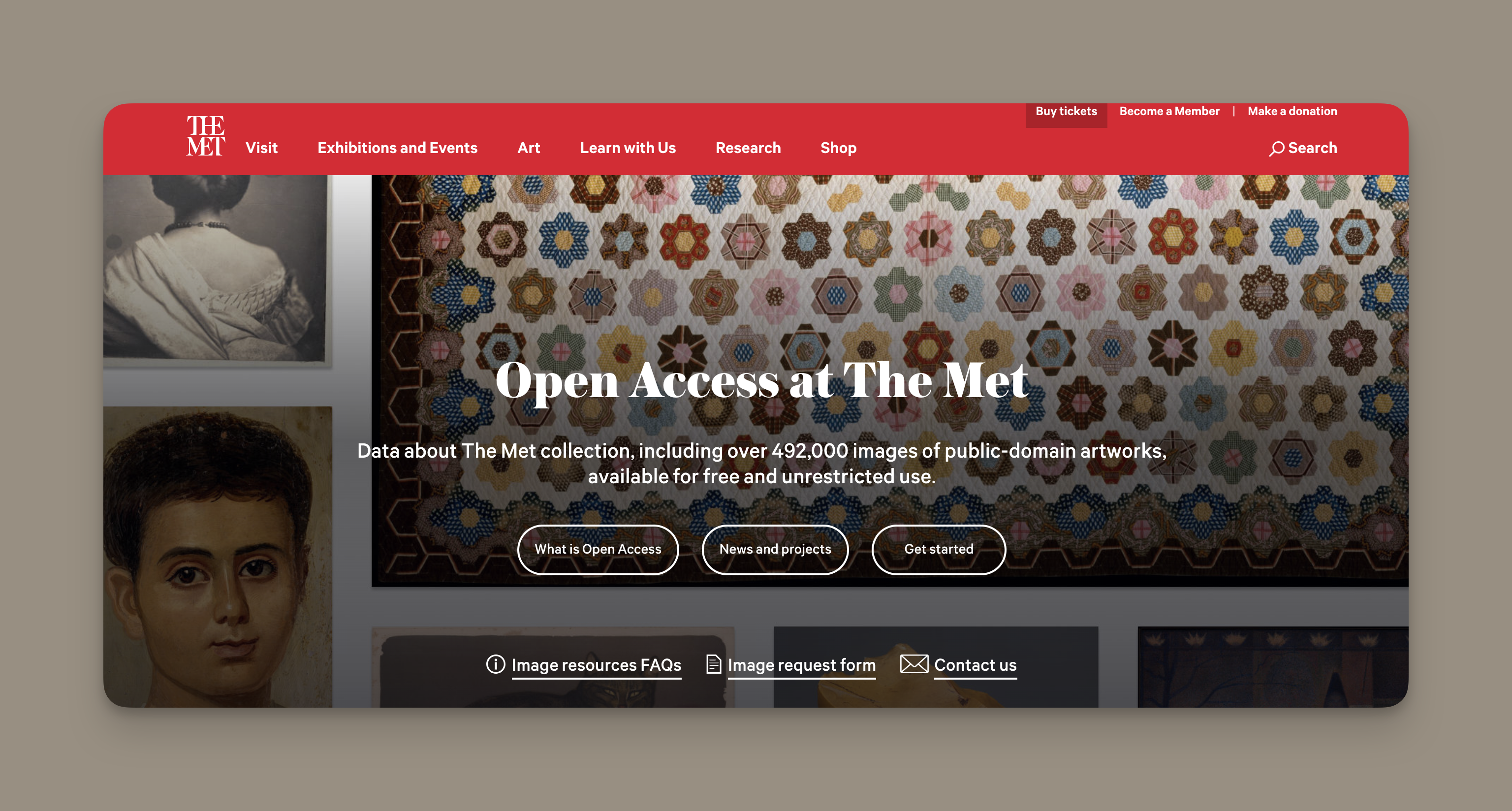
This is an epic resource!
Over 490,000 images that you can use as references in your artwork. It’s unbelievable.
When searching through the MET archive, they have placed a handy icon at the bottom of each image so you can see if it’s in the public domain. (Open Access is a name the MET have given to the initiative)

2.The National Gallery of Art, Washington – Over 60,000 Free images
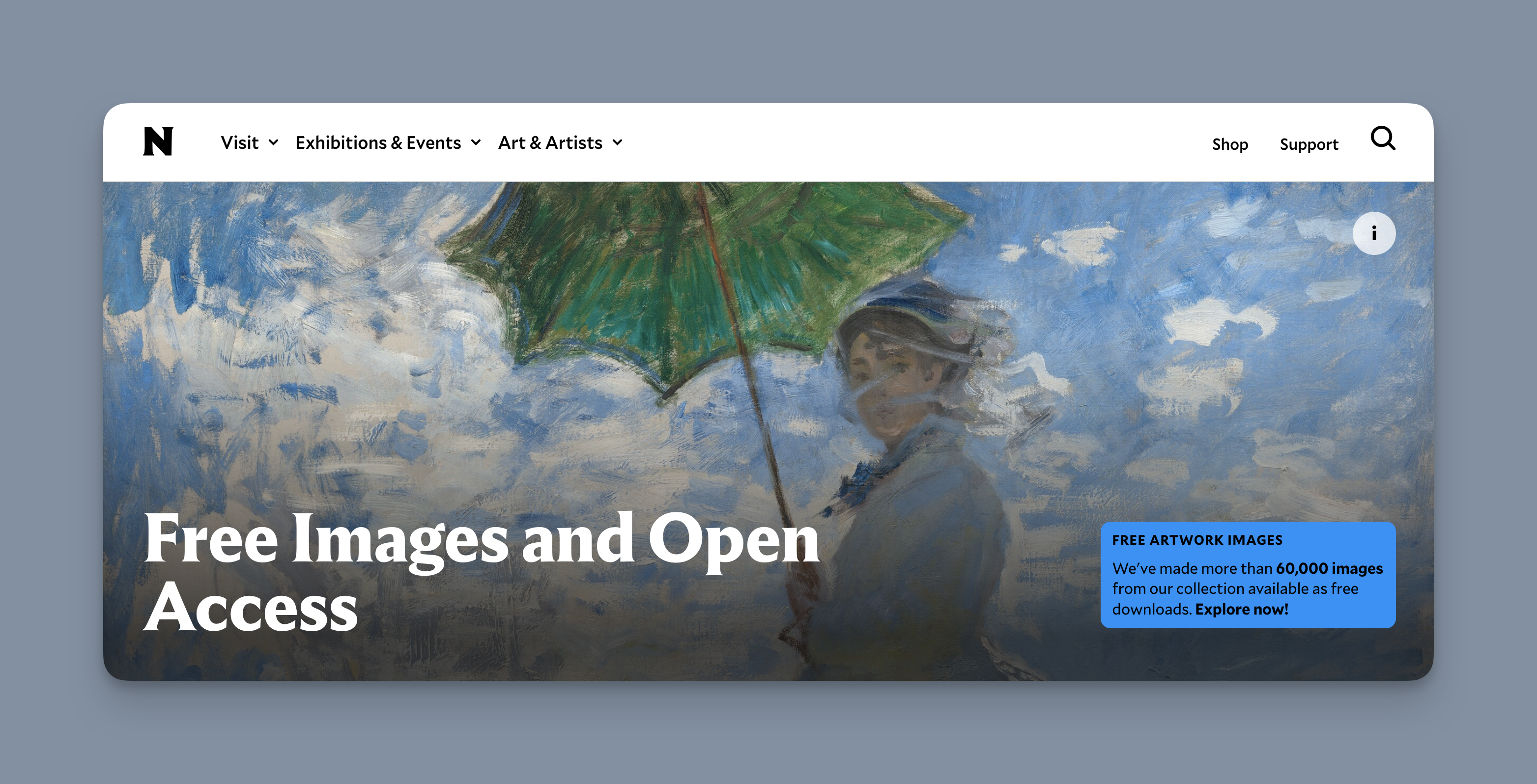
The best thing for an artist about these collections is the ability to zoom in on the paintings. You can get closer than you can in a museum and try to gain an understanding of the brushwork and techniques that Monet used (Pro tip: he used a Cat’s tongue brush) (How to Paint a Monet Landscape Course)

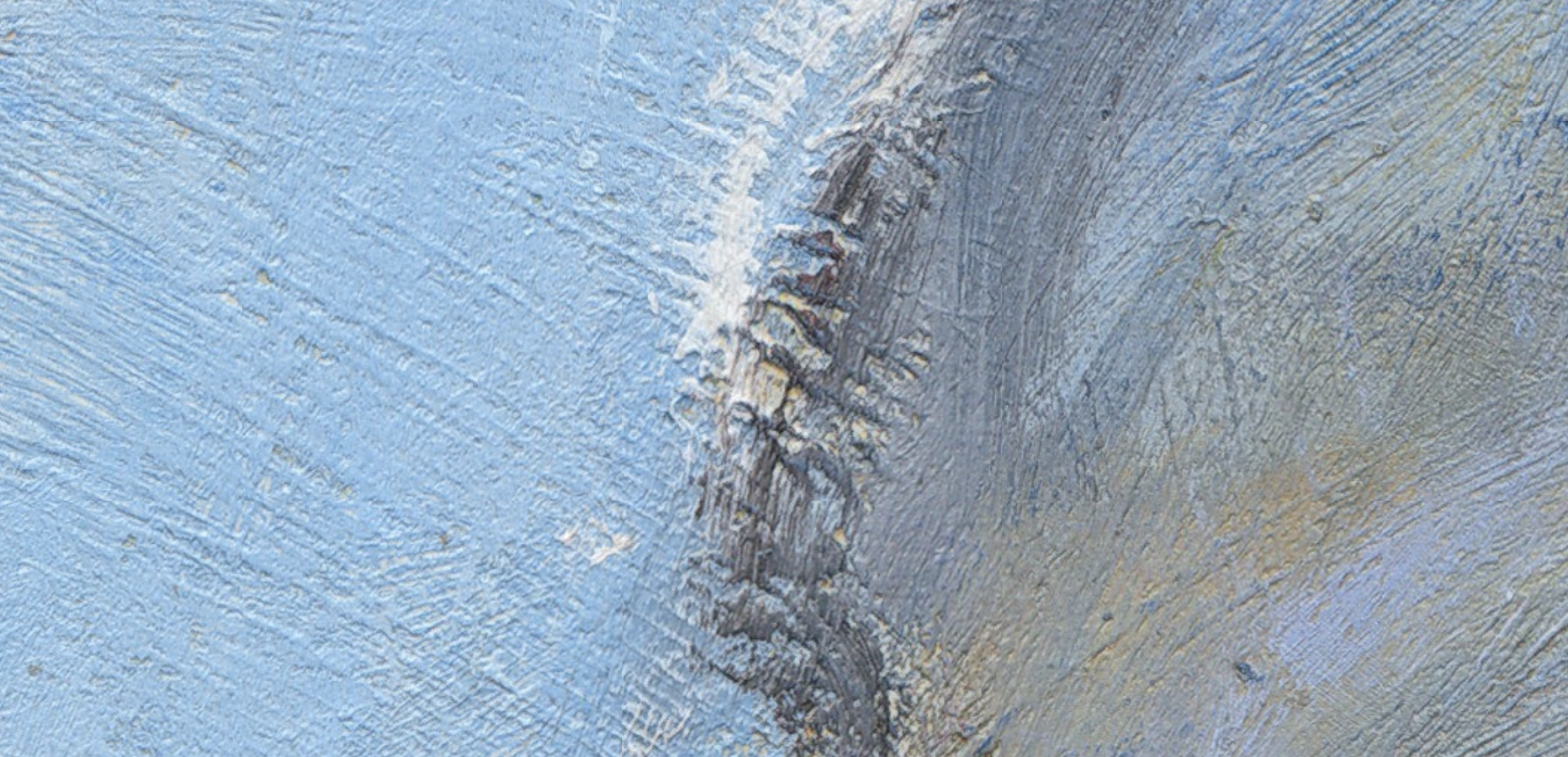
Detail from Woman with a Parasol – Madame Monet and Her Son
Here’s how to use the magnifying glass on the left of the image to zoom into the painting.
Other museums that are part of the Open Access Initiative
- Cooper Hewitt, Smithsonian Design Museum
- The Art Institute of Chicago
- The Cleveland Museum of Art
- The Smithsonian Institution
3.The Rijksmuseum – 700,000+ works available in the public domain
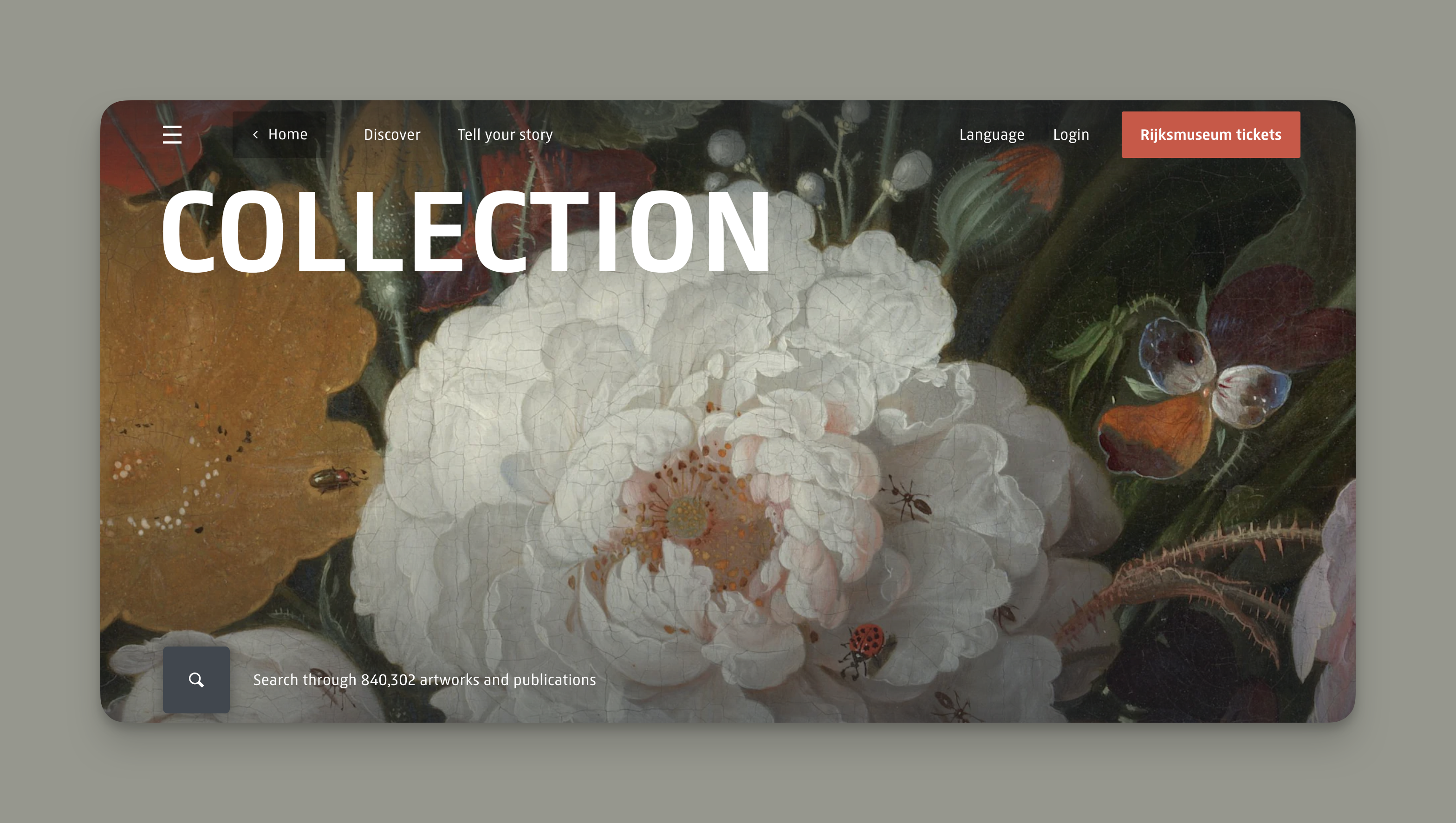
These images have been released under another licence called ‘Creative Commons’
Creative Commons 1.0 Universal (CC0 1.0) Public Domain Dedication.

You can see some great examples of Rembrandt’s portraits

Self-portrait, Rembrandt van Rijn, c. 1628

Self-portrait, Rembrandt van Rijn, detail
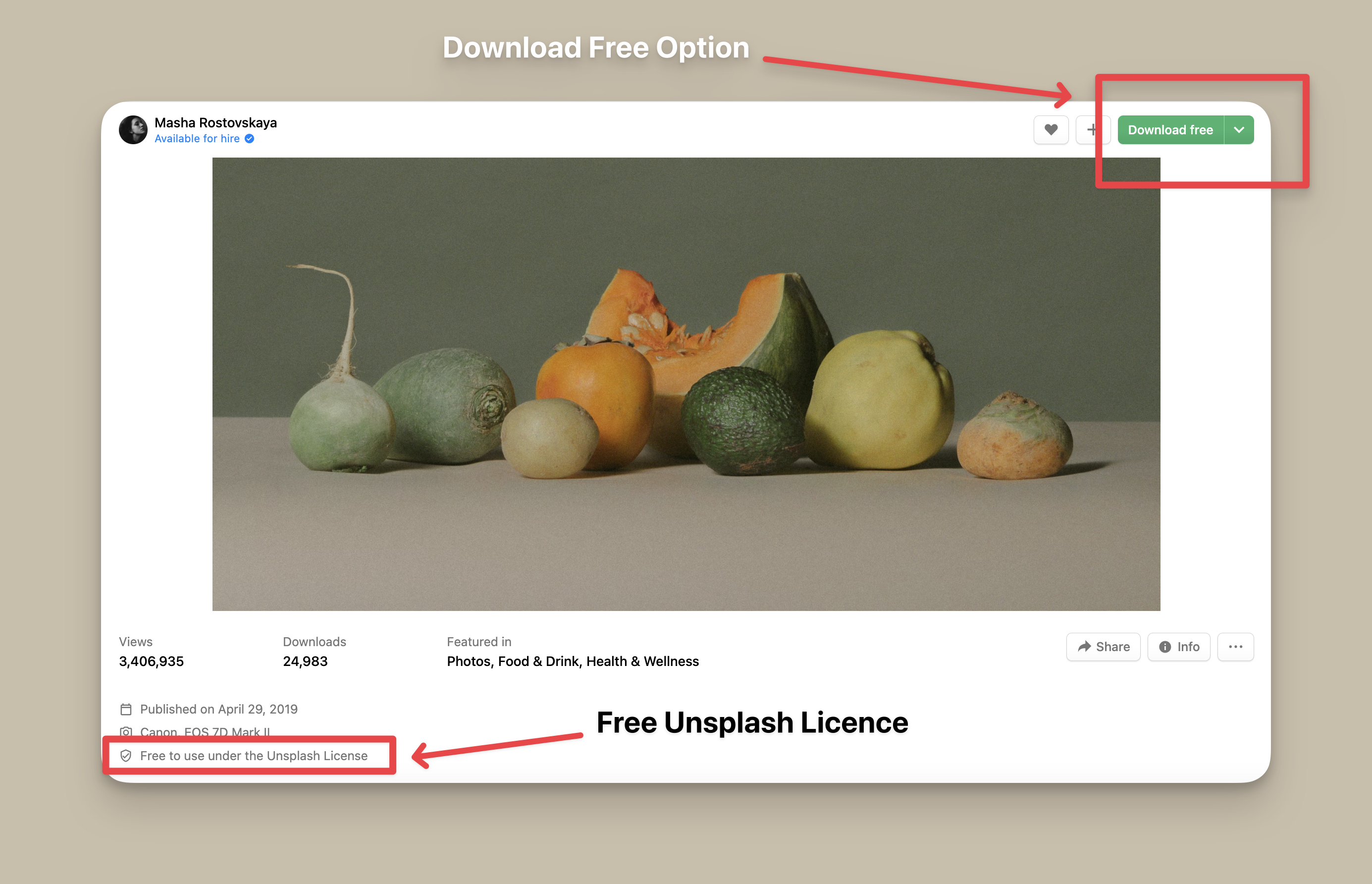
4. Unsplash – https://unsplash.com/s/photos/reference

Unsplash is a platform and stock photo site that offers high-resolution images for free use, including commercial purposes, without requiring permission from the photographer or Unsplash.
They do have different restrictions depending on the image used; some are paid under the ‘plus’ option.


The free-to-use options have a green download option and a note to say they are within the Free Unsplash Licence. There is also usually a link to the original creator of the image if you’d like to link back to the original creator or hire them for any projects.
5. Pexels – https://www.pexels.com/
Pexels is similar to Unsplash, offering free-to-use photos for personal or commercial projects.
Attribution to the original creator isn’t required, but it is always appreciated! You can’t sell copies of the images, but you can use them as free reference images for your artwork.
The Pexels Licence is super straightforward:

What are Creative Commons?

Creative Commons (CC) is a nonprofit organisation that provides free, standardised licenses to help creators share their work with the public while keeping some rights.
It’s a set of licensing attributions that individual artists and institutions can use to label the level of use an image can have.
Many sites will still allow you to use images as references, but have a licence attribution in place.
For example, many of the images and tutorials on the art school are under CC BY 4.0

How to Properly Credit Creative Commons Images
When using Creative Commons images that require attribution, here are the best practices:
1. Provide the creator’s name – Always include the name of the photographer or artist.
2. Link to the source – Include a link to the original image if your medium allows it.
3. Mention the license – Specify which Creative Commons license applies to the image.
4. Indicate any modifications – If you’ve altered the image, note that it has been modified from the original.
A proper citation might look something like this:
In the example of the Cherry painting, the subject is from an original tutorial by a living artist – it would fall under Creative Commons license https://creativecommons.org/licenses/by/4.0/
“Attribution — You must give appropriate credit, provide a link to the license, and indicate if changes were made. You may do so in any reasonable manner, but not in any way that suggests the licensor endorses you or your use.”
Attribution would be the name of the creator and contribution parties; for a tutorial based on photographic references from me, I would retain the print copyright but allow students to sell their original works created from the course with an attribution such as:
Based on an original image and tutorial by William Kemp, licensed under CC BY 4.0 www.willkempartschool.com
Artist-created resources
Photo sites can be great, but they can be overwhelming.
Unsplash has over 3 million images to look through!
Wouldn’t it be great if there were free reference images for artists, taken by artists? The images would already lend themselves to making great paintings.
That’s where artist reference photos come in:
6. Artist Reference Photos https://artistreferencephotos.com/
This resource started when Marian, from https://missmustardseed.com/ was struggling to find new images to work from every day.
How this site was born
While I primarily paint and draw from life or from my own reference photos, I started to struggle when I wanted to paint things I don’t see every day. Where am I going to get photographs of different breeds of pet rabbits for an art series? How can I regularly paint the ocean if I only have a few reference photos from vacations? As I have scoured the internet for options, I learned that it’s difficult to find photos online that are freely available for use as a reference photos without any restrictions on retail sales or licensing. Even ones that are available for purchase have limitations on usage. That is where the idea for this site was born.
Here’s a landscape from the site.
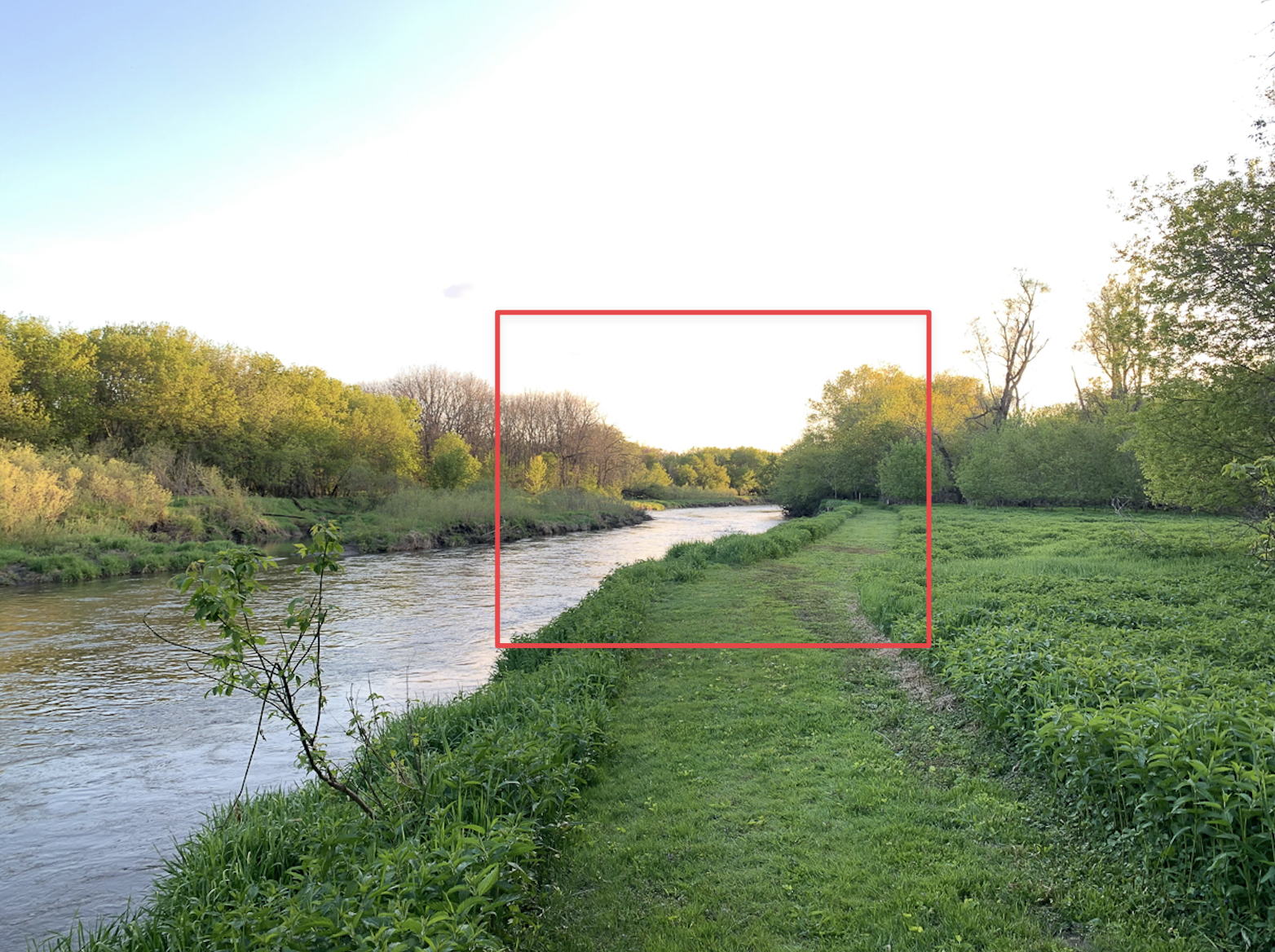
You can also re-crop to make multiple references from one image.

When you’re painting in an impressionistic style, the image doesn’t have to be super crisp or sharp; you’re just looking for a pleasing arrangement of shapes and colours.
7. Will Kemp Art School
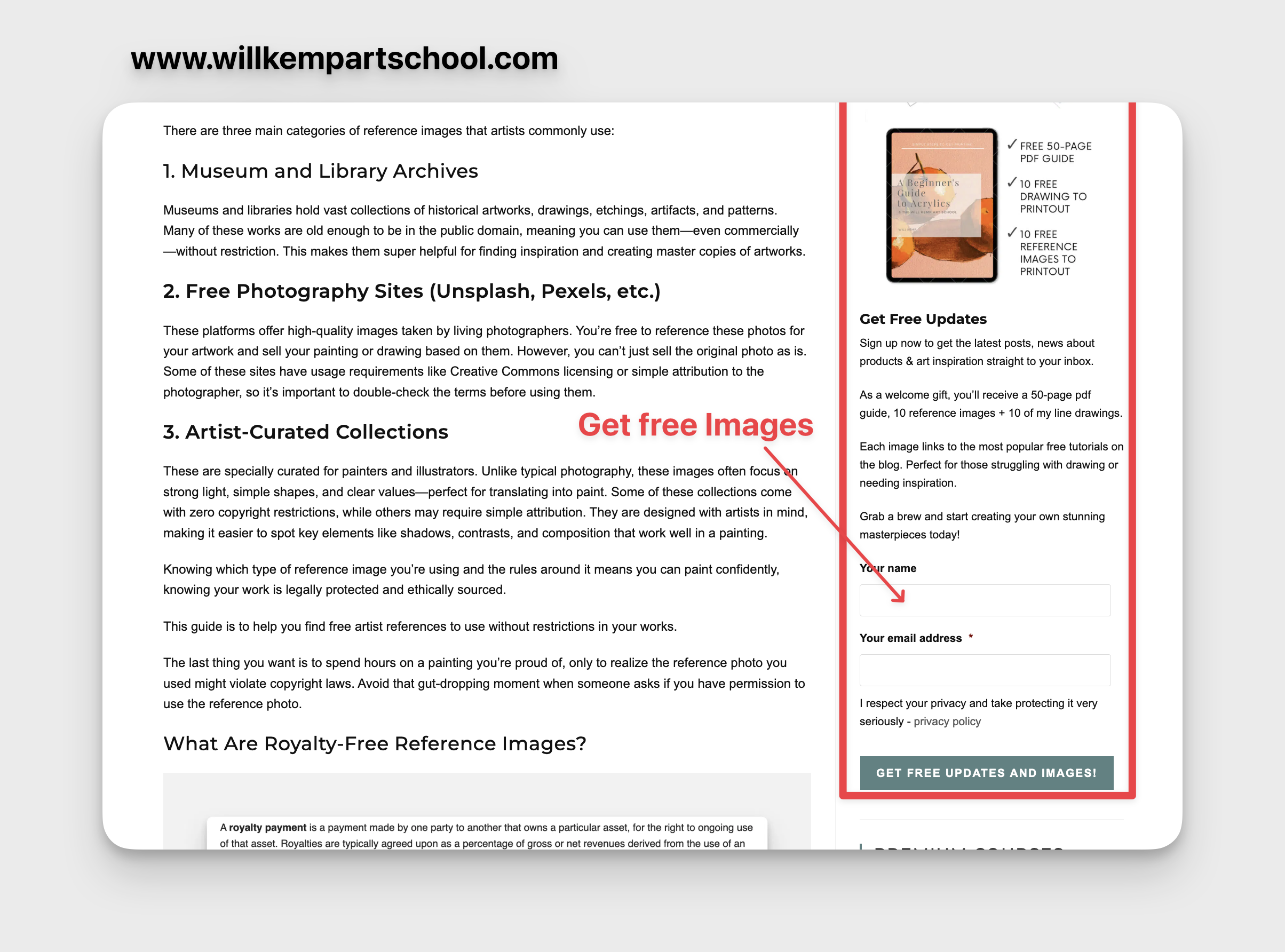
Here’s how to get the images on desktop
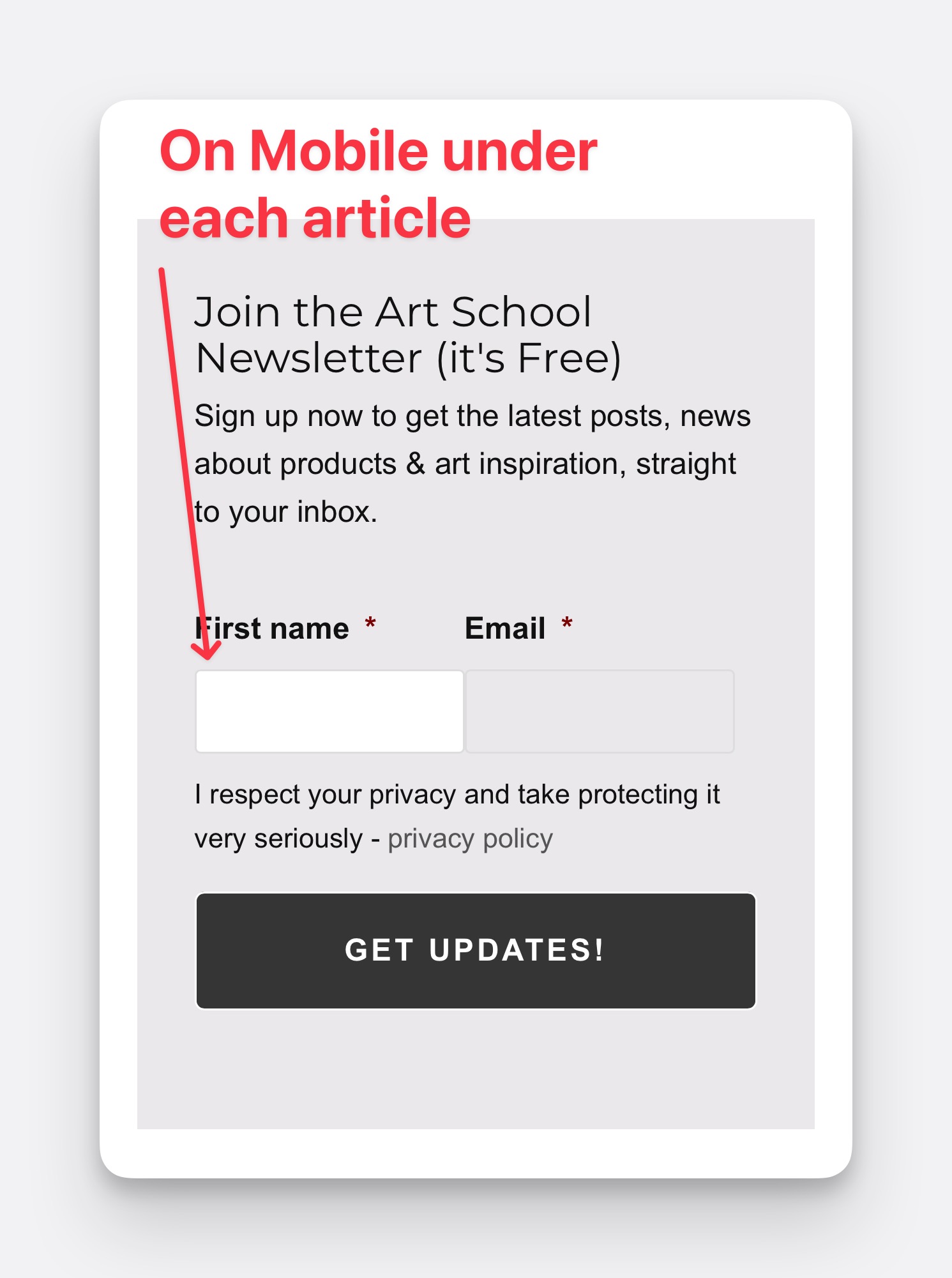
On mobile, under each article is a free sign up box and you’ll be sent the 10 reference images.
Ok, I may be a little biased!
But when you sign up for the art school’s free mailing list, I’ll send you a painter starter kit zip folder with everything you need to jump straight into your next masterpiece:
- 10 High-Quality Reference Images – Perfectly curated for painting inspiration.
- 10 Matching Line Drawings – So you can get started without the guesswork.
- Step-by-Step Tutorials & Video Guides – Each image links directly to a free tutorial, so you know the exact materials and steps to start creating.
I hope this was helpful. Enjoy image searching!
Cheers,
Will


Great resource! Thank you!
Hi Will,
I believe I’m already signed up for your newsletter. Thank you for this very useful post about where to get copyright free images and how copyright works. I have purchased a number of your videos over the years, always so helpful to me. Thank you for your generousity, in providing so much information for the aspiring painter.
That’s great to hear Linda, hope you find the list helpful.
Will
This post is GOLD! I’ve struggled so much with understanding all of these rules and so afraid to paint from any image but my own – but that leaves me very limited!
THANK YOU for sharing this with us!
My pleasure Lauren, so pleased you found it helpful.
Will
What a very interesting article. And So Potentially useful to ‘hobby Artists’ like myself.
I had No idea that so much work from huge Art Galleries could be copied willy nilly.
I’ll definitely save your advice to refer to for ideas.
Thank you Will.
Lillias
Yes, it’s pretty amazing what some of the larger galleries now have available, hope you find it inspiring.
Will
Thank you Will for all this info. Very useful. Much appreciated.
Cheers Fran
Morning Will , this article was super helpful , the last bit was just perfect , I haven’t downloaded yours yet , been away from the easel , , as always I really appreciate and value your articles …it is always hard to find authenticity, if we look inward it’s almost always there …
Glad you found it helpful Kim.
Thank you so much for this information on copyrights and where we can find photos that can be used.
My pleasure Vicki.
Will
There’s an international site based in the UK (I think) that offers both professional and amateur photos. You only have to sign up and, of course, can’t reproduce the photos for your own use. However, you’re free to paint, draw, etch…whatever your particular medium is, and can sell your original artwork. They only ask that you post your artwork to share with the group and link it to the reference. Great community of people with monthly art and photography challenges. There’s no fee, although donations are accepted. And it’s ad free. http://www.pmp-art.com
Thanks for sharing Brenda, much appreciated.
Will
Hi Will,
This was a very interesting article. I have always wondered about copyright. A lot of these websites were new to me, especially the museums, which share parts of their collection online. Super resources! Thanks again.
Happy exploring Sonja!
thank you for this amazing article and references and links about copyright. You’ve given us a worldly view which us so helpful and necessary when looking for images to paint.
So glad it was helpful Joanne
Invaluable: a fabulous compendium!
Cheers Mary, hope you’re keeping well.
Will
Thank you so much for this Will, it is great ~ if a little overwhelming !
I will be back and forthing ~ Have a great weekend ! Best Louise
My pleasure Louise.
Fantastic info. Sending on to painter friend of mine
Thank you, Gail
Thanks for sharing Gail.
Will, thank you. This is a fabulous resource and one which I am sure to refer back to time and time again. I believe every artist would want to know and have access to your valuable site – ‘Where to find epic copyright free images for your paintings’. I had no idea of many of these resources -thank you. It has set me thinking – I presume organisations always set out their terms and conditions for use of your artwork when you submit artwork to competitions, online organisations, galleries etc.
So pleased you found them helpful Ann. Yes, there will often be copyright terms within the entrance details of competitions.
For example, for the Herbert-Smith-Freehills-Portrait-Award here are the sections that relate to copyright terms:
Cheers,
Will
Thank you being so generous with your knowledge Will. This was very helpful
Will, Thank you so much for a great resource that will be referenced many time I’m sure. Thank you for all of your hard work!
Sharon Hodgdon
Hope you find it helpful Sharon
Hi Will, thank you so very much for sharing such great information.
Cheers Cheryle
Thank you, Will! Invaluable information! I had no idea about the material available from museums or from the site artists for artists. I will save this for future reference. A little anecdote from personal experience: I have a friend who isa professional artist, as is her daughter-in-law. My friend told me her daughter-in-law makes more money from copyright infringement on her work than she makes from her work itself! So be careful out there!
Thank you Will for your excellent input on important current ‘debate’ on copyright and available copyright free materials.
The recent fast development of AI seems to already been having an affect on Creativity and Royalties and need to provide future secure legislation to protect our wonderful creative industries and creative art students.
Keep up all your good work
(Just returned from a sunney two weeks holiday in North Cornwall with lots of new copyright free photographs. Just finished an acrylic painting of Godvery Lighthouse in St Ives Bay at my u3a Painting Class here in Farnham)
So pleased you enjoyed it Keith, you picked the perfect weeks for your visit, glad you got inspired by Godrevy
Will
I assume it’s just me as everyone else gives glowing reviews but I found the three galleries difficult to navigate. Particularly the National Gallery of Painting.
I must be clicking the wrong places but how do I view these thousands of paintings please?
Hey Ralph, if you click here : https://www.nga.gov/artworks and scroll down there is a search bar where you can search for artworks and a few selected favourite images.
Will